Hidden Costs of Homeownership in Pennsylvania: What Buyers Forget to Budget For in 2026
For many buyers in 2026, the biggest concern is simply getting into a house. Between higher interest rates, limited inventory, and rising home prices around Pennsylvania, most people focus almost entirely on the down payment and monthly mortgage payment.
But once the excitement of closing day wears off, many homeowners realize something quickly:
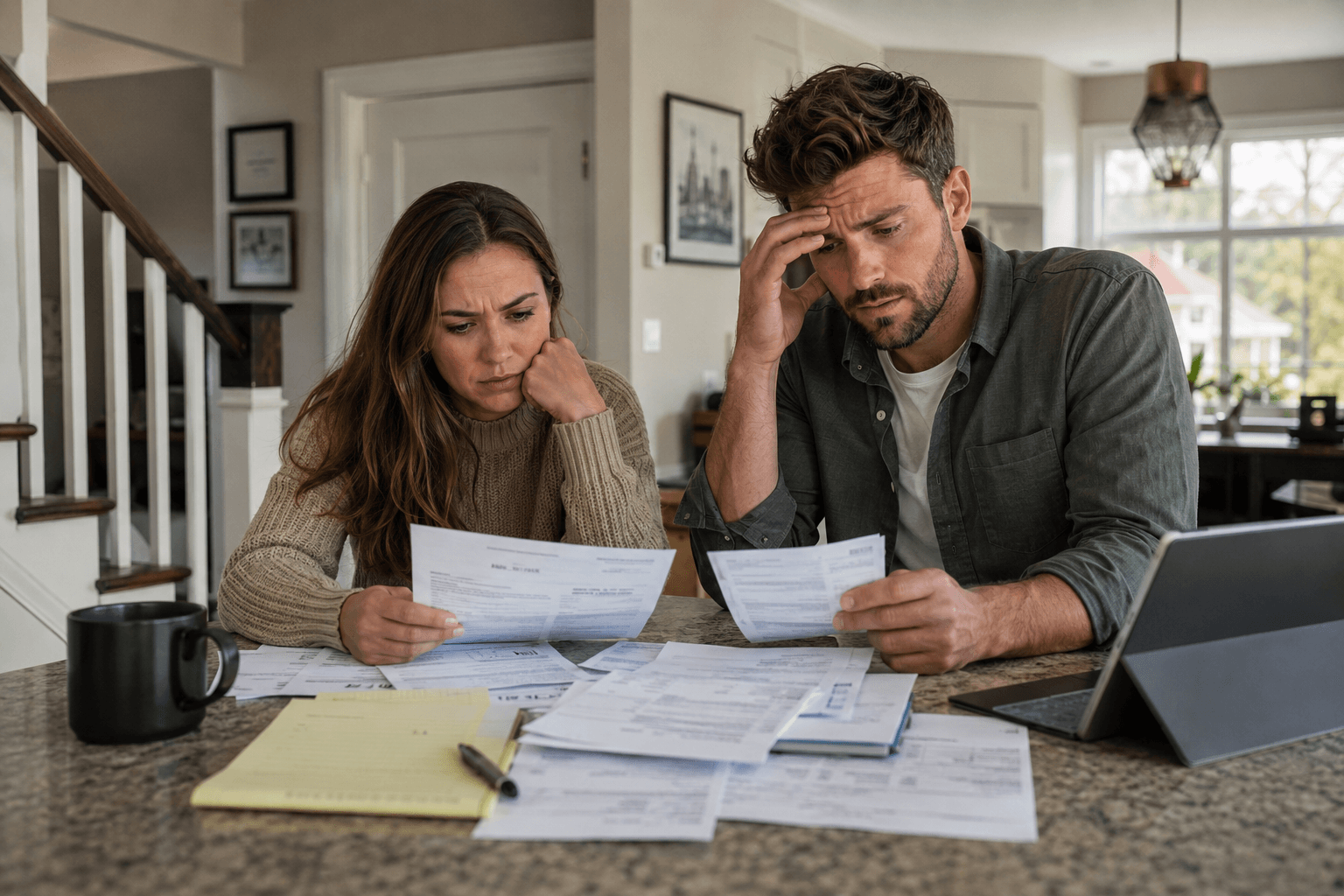
Owning a home costs more than the mortgage.
This catches a lot of first-time buyers off guard, especially buyers moving from apartments or renting situations where maintenance, repairs, and even some utilities were included.
The good news is that most of these expenses are predictable if you plan ahead properly.
At Barren Hill Mortgage we spend a lot of time helping buyers understand the full picture of homeownership so there are fewer surprises after closing.
Property Taxes Can Change Faster Than Buyers Expect
One of the most overlooked costs in Pennsylvania is property taxes.
In areas around Philadelphia and Montgomery County, taxes can vary dramatically from one township to another. Two homes with similar prices may have very different monthly tax obligations.
Some buyers also assume the current tax amount listed online will stay the same forever. That is not always true.
Taxes can increase because of:
- Reassessments
- New construction values
- School district increases
- Improvements to the property
- County-wide adjustments
This is especially important for buyers stretching their budget at current rates.
A payment that feels manageable today can become tighter if taxes rise substantially over the next few years.
Home Maintenance Never Fully Stops
Many renters underestimate how often small things come up after buying a house.
Even well-maintained homes require ongoing upkeep.
Typical maintenance expenses include:
- HVAC servicing
- Roof repairs
- Plumbing issues
- Appliance replacement
- Lawn care
- Gutter cleaning
- Pest control
- Water heater repairs
- Driveway or sidewalk repairs
A good rule of thumb is to budget roughly 1%–2% of the home's value annually for maintenance and repairs.
That does not mean you will spend it every year, but eventually larger repairs happen.
A $500,000 home may realistically require several thousand dollars per year in maintenance over time.
Utility Bills Often Increase After Moving
This surprises many first-time buyers.
A larger house usually means:
- Higher electric bills
- More heating and cooling costs
- Higher water bills
- Increased internet and service expenses
Older homes in Pennsylvania can be especially expensive to heat during winter if windows, insulation, or HVAC systems are outdated.
Buyers moving from apartments into single-family homes are often shocked by the difference in monthly utility costs.
Homeowners Insurance Is Rising
Insurance premiums have increased noticeably over the past few years.
Factors impacting insurance costs include:
- Roof age
- Claim history
- Flood risk
- Property age
- Construction type
- Replacement costs
- Weather-related risks
Some buyers also discover they may need additional coverage for:
- Flood insurance
- Sewer backup coverage
- Umbrella liability policies
- Detached structures
These costs are often higher than buyers initially estimate online.
HOA Fees and Community Costs Add Up
Some buyers focus heavily on avoiding HOA communities, while others underestimate the impact of HOA fees entirely.
Even moderate HOA dues can significantly affect monthly affordability.
In some communities, HOA fees may cover:
- Exterior maintenance
- Snow removal
- Landscaping
- Amenities
- Roofing reserves
- Trash services
But buyers should still understand:
- What is actually covered
- Whether fees have increased historically
- If special assessments are possible
A lower-priced home with high HOA dues may not actually be cheaper monthly than a non-HOA alternative.
Furnishing a House Gets Expensive Quickly
A new home often creates a long list of purchases buyers did not fully anticipate.
Common post-closing expenses include:
- Furniture
- Blinds and curtains
- Lawn equipment
- Security systems
- Paint
- Storage shelving
- Tools
- Washer and dryer
- Landscaping improvements
Many buyers spend thousands within the first six months after moving in.
This is one reason why draining every dollar for the down payment is not always the best strategy.
Sometimes keeping extra reserves matters more than putting slightly more down.
Emergency Repairs Happen at the Worst Times
Unfortunately, homeownership rarely waits for the perfect financial moment.
Air conditioners fail during heat waves.
Water heaters leak unexpectedly.
Roofs develop problems after storms.
One of the smartest things buyers can do is maintain an emergency reserve fund after closing.
Even a solid home inspection cannot predict every future repair.
Why Pre-Approval Should Include Real-Life Budgeting
A lender may approve a buyer for a certain payment range, but that does not always mean the payment will feel comfortable in real life.
A strong mortgage strategy should account for:
- Lifestyle spending
- Savings goals
- Childcare costs
- Commuting expenses
- Future maintenance
- Utility changes
- Emergency reserves
This is especially important in today’s market where affordability remains tight for many buyers.
At Barren Hill Mortgage we help buyers look beyond just the interest rate and focus on building a sustainable long-term budget.
The Bottom Line
Homeownership still has major long-term benefits.
You build equity.
You gain stability.
You have control over your living space.
You participate in long-term real estate appreciation.
But successful homeownership comes from planning for the full financial picture — not just qualifying for the loan.
Understanding the hidden costs upfront can help buyers avoid stress later and feel more confident about their purchase.
If you are considering buying a home in Pennsylvania or the Philadelphia suburbs, working with an independent mortgage broker can help you compare loan options while building a realistic monthly budget that actually works long term.